
Sports nutrition research shows that energy availability directly impacts performance, recovery, and muscle growth. According to the International Olympic Committee, athletes who do not consume enough calories risk reduced strength, slower recovery, and even injury. That reality flips the usual narrative. For some athletes, the real challenge is not cutting weight, it is eating enough to grow.
I once trained with a wiry sprinter who joked that gaining five pounds felt harder than running a personal best. He would stare at a plate of rice like it was a second workout. Stories like his are more common than people think. Conversations around appetite support have even led some athletes to explore products mentioned through sources like GML Apeti African store, where appetite stimulant trends are discussed alongside nutrition habits. It is a reminder that when hunger does not match training demands, athletes start looking for solutions anywhere they can.
Why Some Athletes Need More Calories
Weight gain in sports is not about aesthetics. It is about function. Strength athletes, football players, and even endurance athletes in heavy training phases need more fuel to support muscle repair and energy output. The American College of Sports Medicine explains that intense training increases caloric needs significantly, sometimes by hundreds or even thousands of extra calories per day.
Injury recovery is another big factor. Healing tissue requires energy, protein, and nutrients. Without enough food, the body slows the process. That can stretch a two week recovery into something much longer. Nobody wants that.
Then there is metabolism. Some athletes burn through calories like a furnace. They eat, train, and somehow still struggle to gain weight. It is frustrating, and yes, it can feel unfair.
How to Increase Appetite Naturally
Before turning to supplements, most sports dietitians recommend simple, practical changes. These work more often than people expect.
- Eat more often: Three meals may not cut it. Add two or three snacks. Small meals feel less overwhelming.
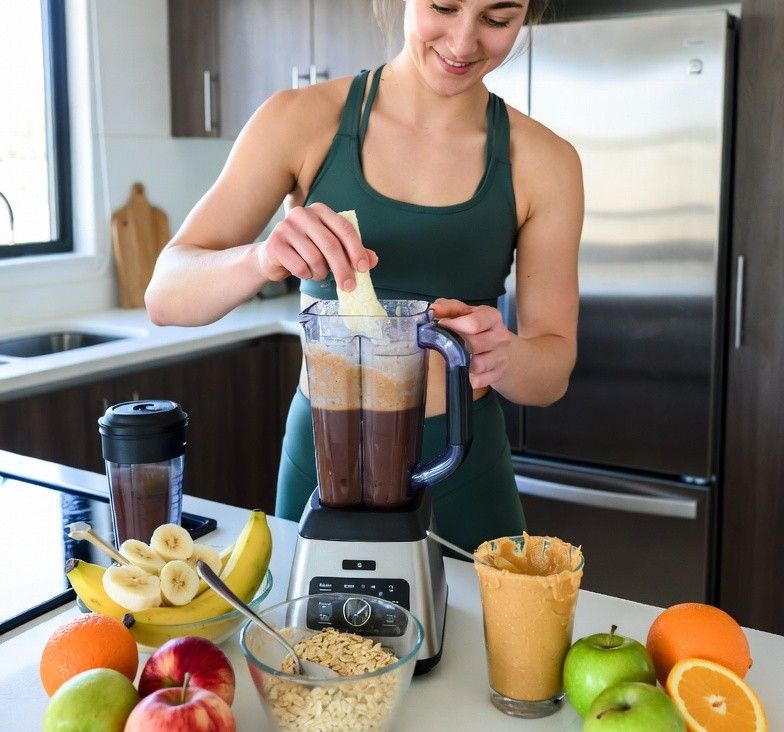
- Drink calories: Smoothies, milk, and shakes are easier to consume than solid food. A high calorie smoothie for athletes with banana, peanut butter, and oats can pack serious energy.
- Train smart: Resistance training increases hunger over time. It signals the body to grow, which naturally boosts appetite.
- Focus on energy dense foods: Nuts, seeds, oils, rice, and whole grains provide more calories without huge volume.
- Create routine: Eating at the same times daily trains your body to expect food. Hunger becomes more predictable.
There is also a mental side. Some athletes simply forget to eat or do not prioritize it. Treating meals like part of training can shift that mindset. Sounds simple, but it works.
Appetite Stimulants and Athlete Curiosity
At some point, many athletes hear about appetite stimulants. Maybe from a teammate. Maybe from online forums. Maybe from discussions tied to platforms like the GML Apeti African store. The curiosity is understandable. If eating more is the goal, anything that increases hunger sounds appealing.
But experts urge caution. The Academy of Nutrition and Dietetics emphasizes that supplements are rarely the first solution. Some appetite stimulants may contain ingredients that are not well regulated. Others could interfere with training or health.
There are medical cases where appetite support is necessary, especially for athletes recovering from illness. In those situations, doctors guide the process. That is the key difference. Professional supervision matters.
In short, stimulants show up in conversations because the struggle is real. Still, food first remains the gold standard.
Building Muscle Without Compromising Health
Gaining weight the right way takes patience. Fast weight gain often means excess fat, sluggish performance, and poor recovery. That is not the goal.
Instead, focus on gradual progress. Around 0.25 to 0.5 kilograms per week is a common recommendation from sports nutrition experts. Pair increased calories with structured strength training. That combination directs weight gain toward muscle.
Protein intake matters too. The International Society of Sports Nutrition suggests around 1.4 to 2.0 grams per kilogram of body weight for active individuals. Spread it across meals. No need to chug a giant shake in one go.
And do not ignore micronutrients. Fruits, vegetables, and whole foods support digestion and recovery. A high calorie diet filled with junk food may add weight, but it will not support long term performance.
Sleep, oddly enough, is part of the equation. Poor sleep disrupts hunger hormones. Athletes who sleep better often find it easier to eat enough. The body works as a system, not isolated parts.
Final Thoughts on Eating for Growth
Some athletes grind through extra reps. Others grind through extra meals. Both take effort. The difference is that eating does not always feel like training, even though it should.
Exploring trends, including those linked to sources like GML Apeti African store, shows how common the challenge of low appetite can be. Still, the most reliable path remains consistent meals, smart training, and patience.
Progress might be slow. That is fine. A few extra bites today, a stronger lift next month, a healthier body over time. That is how real performance gains are built, one meal at a time.


