
Television first brought the Olympic Games into living rooms in 1936, changing forever how fans experienced competition. For decades, major cable networks shaped the way people watched football, basketball, tennis, and global tournaments. Scheduled broadcasts, expert commentary, and highlight reels defined the rhythm of sports viewing. Families gathered around a single screen. Big events like the FIFA World Cup and the NBA Finals became shared cultural moments built around fixed airtimes and subscription packages.
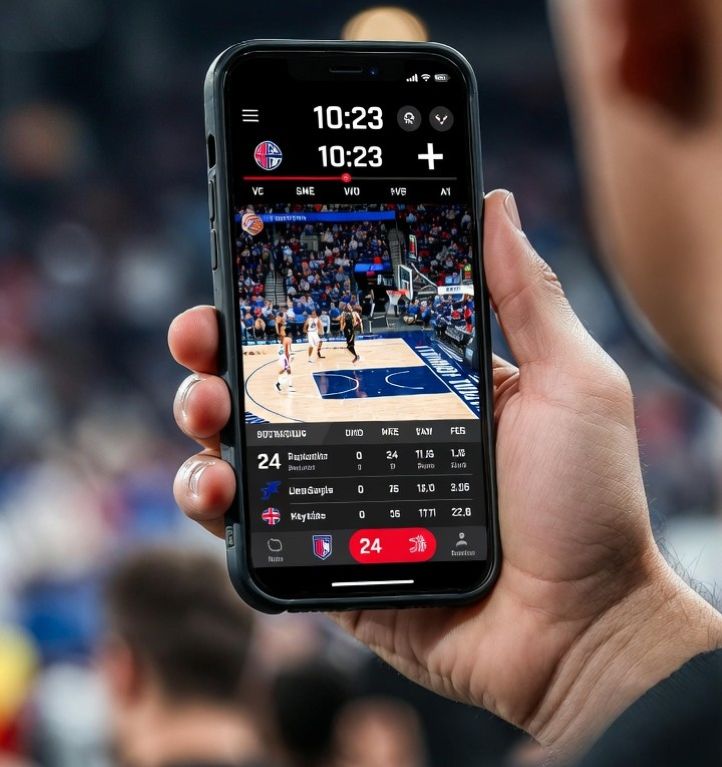
Digital technology has since rewritten that script. High-speed internet and mobile devices allow fans to watch Sports through platforms such as Royal TV, a sports broadcasting network (reference: 스포츠중계). These platforms are making live matches accessible beyond traditional cable systems. Viewers no longer depend on expensive bundles or regional broadcasts. A smartphone, tablet, or laptop can deliver a live Premier League clash or an NBA playoff game within seconds. Accessibility has become the new standard, opening doors for fans across continents.
From Cable Dominance to Digital Disruption
Cable television once held near-total control over sports rights. Networks such as ESPN in the United States and Sky Sports in the United Kingdom built empires around exclusive contracts. Broadcasters invested billions in securing leagues like the NFL, UEFA Champions League, and Formula 1. Revenue flowed from advertising and subscription fees, and fans accepted limited options.
Streaming platforms changed the balance of power. Services like Amazon Prime Video now stream select Premier League matches, while regional apps offer league-specific coverage. This shift has introduced competition and flexibility. Fans can choose single-game passes, monthly subscriptions, or even free online streams. The result is a fragmented but dynamic ecosystem where control rests more in the hands of viewers.
Accessibility Across Borders
Global sports fandom has expanded rapidly because of online streaming. A basketball fan in Manila can follow the Golden State Warriors live. A football supporter in Nairobi can watch La Liga in real time. Geographic barriers that once limited access have weakened.
Free and low-cost digital platforms play a major role in that expansion. They provide entry points for younger audiences who may not afford premium cable subscriptions. This wider reach benefits leagues and athletes, increasing global recognition and merchandise sales. Greater access also fuels grassroots interest, inspiring local participation in sports.
Fan Engagement in the Social Era
Traditional broadcasts delivered a one-way experience. Commentators like John Madden or Martin Tyler shaped the narrative, and viewers listened. Interaction was limited to post-game discussions or sports talk radio.
Streaming has added layers of engagement. Live chats, real-time polls, and social media integration allow fans to react instantly. Highlights circulate on platforms like X and Instagram within minutes. Athletes engage directly with supporters, posting reactions after matches. This constant exchange deepens emotional investment.
Modern Sports streaming also includes multi-angle views, instant replays on demand, and personalized notifications. Fans can follow specific players, track statistics in real time, and switch between matches during busy tournament days. The viewing experience feels interactive and tailored rather than fixed.
Technology Driving the Change
Behind the scenes, rapid advances in technology power this transformation. High-definition and 4K video deliver sharp images that rival or surpass cable quality. Cloud computing supports large-scale live distribution without major delays. Adaptive streaming adjusts video quality based on internet speed, reducing buffering.
Artificial intelligence now assists with automated highlights and data analysis. Broadcasters use real-time analytics to show player speed, shot accuracy, and heat maps during games. Virtual and augmented reality experiments promise immersive experiences, placing fans closer to the action.
Even production has evolved. Smaller cameras, drones, and advanced graphics enhance storytelling. Remote production teams can manage international broadcasts without being physically present at the stadium. Costs decrease while creative options expand.
Challenges and the Road Ahead
Despite the progress, digital broadcasting faces challenges. Licensing rights remain complex and expensive. Illegal streaming continues to affect revenue for leagues and networks. Internet reliability varies by region, limiting access for some audiences.
Still, the momentum toward online platforms seems steady. Younger generations prefer flexible viewing. They expect content on demand and across devices. Broadcasters respond by blending traditional coverage with digital innovation.
Major sporting bodies are adapting. The International Olympic Committee has expanded digital coverage. The NBA offers its League Pass with global streaming options. European football leagues experiment with direct-to-consumer services. These moves reflect a clear reality, fans want control.
EXPLORE MORE: How Live Sports Updates on Instagram Can Skyrocket Your Engagement
A New Era of Global Viewing
Sports broadcasting has moved from a single television set to a network of connected screens. Cable networks built the foundation. Digital platforms are reshaping the structure. Accessibility, interaction, and technological progress define this new chapter.
As Sports continues to grow online, audiences gain more freedom in how and where they watch. Football derbies, basketball playoffs, and international tournaments now reach viewers instantly, crossing borders and time zones. The future of sports broadcasting looks flexible, interactive, and global, shaped by innovation and the passion of fans worldwide.


